The Slow Linen Swap: A Step-by-Step Method for Seasonal Bedding Rotation and Storage
Why a Slow Linen Swap?
Changing bedding with the seasons is more than comfort: it preserves fabrics, reduces allergens, and keeps your bedroom feeling tidy and intentional. The Slow Linen Swap is a gentle, repeatable method you can use twice a year—or more often if your climate or habits require it.
Step-by-Step Method
-
Set aside a morning.
Pick a calm block of time—an afternoon or morning—so you can work steadily without rushing. Gather supplies: laundry detergent suited to your fabrics, stain remover, a sewing kit, soft brush, vacuum with upholstery attachment, and breathable storage containers.
-
Declutter and inventory.
Remove all bedding from the bed: sheets, duvet, quilts, mattress toppers, pillow protectors, and decorative cushions. Sort into piles: to wash, to repair, to store, and to donate or retire. Make a quick inventory so you know what you have for the coming season.
-
Inspect and treat.
Check labels for care instructions. Pre-treat spots or stains with a gentle stain remover appropriate for the fabric. Mend small tears or loose seams now so items are ready to use or store.
-
Wash thoughtfully.
Wash like fabrics together. Use a temperature and cycle recommended by the care label: cooler water for delicate linens, warmer for cottons and heavily soiled items. Avoid overloading the machine to let fabrics move freely.
-
Dry and refresh.
Dry according to care labels. When possible, air-dry sheets and lighter blankets outside for a short time to refresh them; sunlight gently bleaches and reduces odors. If using a dryer, remove items while slightly damp to reduce wrinkles and preserve fibers.
-
Deal with bulky items.
For heavy duvets or pillows that don’t fit the home washer, consider a professional cleaner or local laundromat with larger machines. If storing a duvet, make sure it is completely dry to prevent mildew.
-
Vacuum and rotate your mattress.
Use the upholstery attachment to vacuum the mattress surface, paying attention to seams. Rotate or flip the mattress according to manufacturer guidance to promote even wear.
-
Layer with intention.
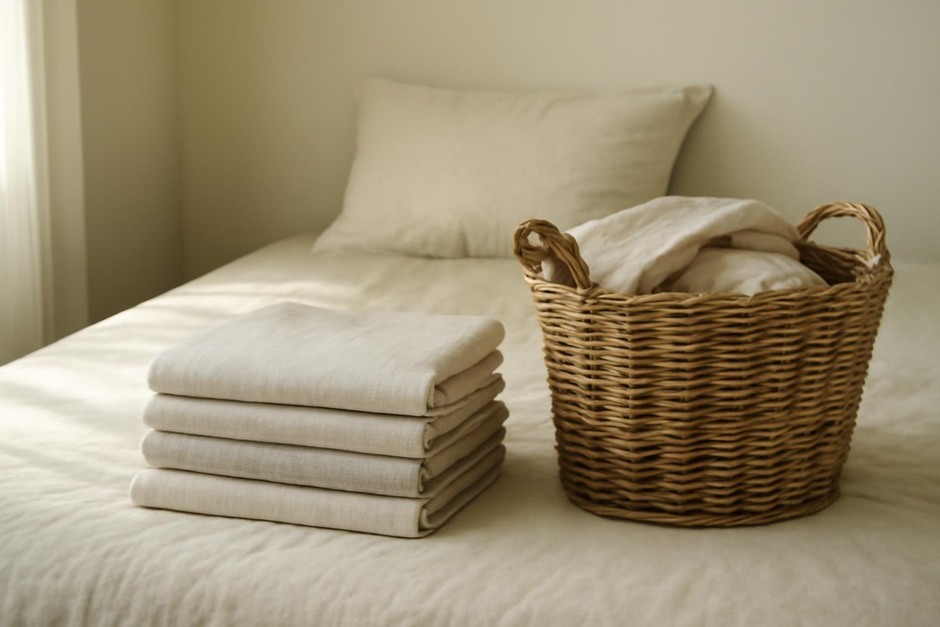
Make the bed using a base layer suited to the new season—cotton sheets in summer, flannel in winter. Add a lightweight coverlet or a warmer quilt depending on temperature. Choose pillow combinations that match your sleeping needs.
-
Store with care.
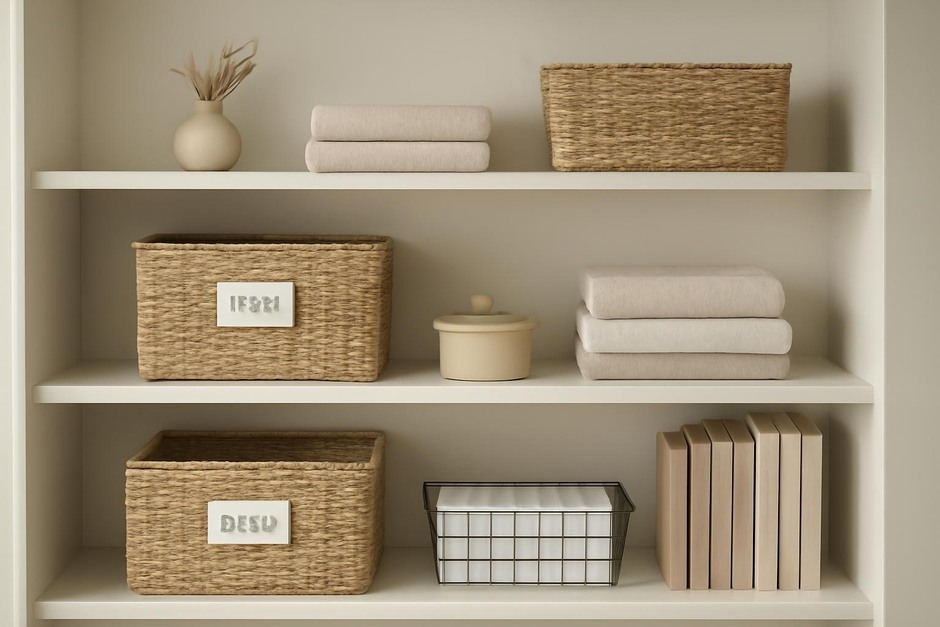
Fold freshly cleaned, dry bedding neatly. Use breathable cotton storage bags or boxes; avoid plastic if long-term storage is planned as it can trap moisture. Add a sachet of dried lavender or cedar to deter pests and impart a gentle scent.
Variations
Adapt the method to your climate, space, and materials.
Humid Climates
- Store linens with moisture absorbers (silica packs or clay-based desiccants) and choose breathable containers to reduce mold risk.
- Prefer frequent air-outs over long storage; rotate stored items more often.
Dry, Hot Climates
- Sun-dry sheets briefly for freshness but avoid prolonged sun exposure on colored fabrics to prevent fading.
- Lightweight cottons and linens are ideal; store heavier wool or flannel where it stays cool.
Small Homes and Apartments
- Use under-bed breathable bins or vacuum-compression bags for short-term rotation; avoid long-term vacuum compression for delicate fibers like down or linen.
- Rotate a smaller set more frequently—seasonal swaps can be staggered to reduce space needs.
Allergy-Friendly Approach
- Wash bedding weekly in hot water (when fabric allows) and use allergen-proof covers for mattress and pillows. Air and dry in sunlight when possible to lessen dust-mite load.
Troubleshooting
Lingering Odors
If a fabric retains an unpleasant smell after washing, rewash with a cup of white vinegar or baking soda added to the cycle (follow care instructions). Air the item outside on a dry, breezy day when possible.
Loss of Loft in Down or Synthetic Fill
Fluff bedding in the dryer on low with a few clean tennis balls or dryer balls to restore loft. If fill remains flat, consider professional refresh or replacing the insert.
Stains that Won’t Lift
Treat with an enzyme-based cleaner suitable for the stain type and fabric, then launder according to care labels. For delicate fabrics, spot test first and consult a professional cleaner if unsure.
Pilling or Fabric Wear
Use a fabric shaver or gently trim pills with scissors. To slow future pilling, wash on a gentle cycle, turn items inside out, and avoid high-heat drying.
Mildew or Moth Damage
Mildew indicates moisture—clean affected items promptly and ensure thorough drying. For moths, launder or freeze small items, and store prized woolens with cedar or lavender and in sealed breathable containers.
The Slow Linen Swap is designed to be calm and repeatable: a morning well spent now saves wear, surprise chores, and scrambles later. Over time you’ll learn which fabrics and rhythms suit your household best—then the seasonal change becomes an unhurried ritual rather than a chore.